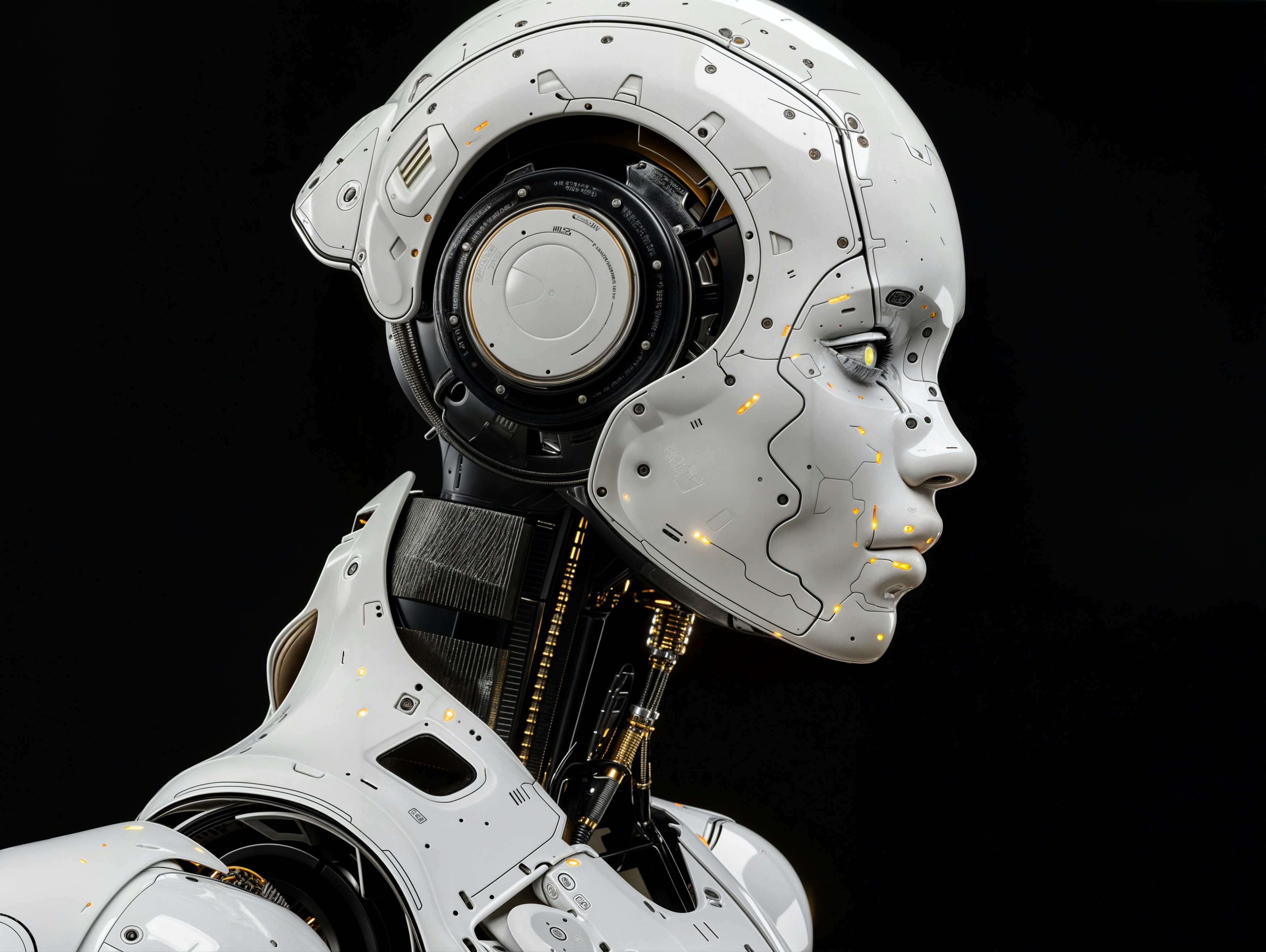
It feels like AI agents came out of nowhere.
A year ago, the term barely escaped technical circles. Now it shows up in product launches, boardroom conversations, and startup pitches. Tools promise autonomous workflows. Software markets itself as having “AI coworkers.” Even everyday apps quietly advertise agent-like behavior without always using the word.
What makes this strange is that AI agents are not new.
The core idea — software that can decide what to do next instead of waiting for explicit instructions — has existed for years. Earlier versions could schedule tasks, automate workflows, or follow simple rules. And yet, for a long time, nothing really stuck.
So why does it suddenly feel like AI agents are everywhere in 2026?
The answer isn’t hype alone. Something genuinely changed — not overnight, but gradually — and the pieces finally lined up.
Why AI Agents Failed Quietly Before This Moment
For years, AI agents lived in demos and prototypes rather than real products.
They looked impressive in controlled environments but broke down in the real world. They lost context. They misunderstood instructions. They confidently made the wrong decision and had no way to recover. Every small failure required a human to step in and fix things manually.
In practice, early agents felt less like autonomous helpers and more like brittle automation scripts wrapped in a friendly interface.
That gap between promise and reliability is why most companies ignored them. They were interesting experiments, but not something you trusted with real work.
Reliability, Not Intelligence, Was the Real Breakthrough
The biggest shift wasn’t raw intelligence. It was consistency.
Modern AI models are better at following instructions across multiple steps. They hold context longer. They recover from minor mistakes instead of collapsing into nonsense. That matters because agents don’t do one thing — they do sequences of things.
Earlier systems could generate impressive responses but struggled with planning, sequencing, and correction. Today’s models are far more dependable when asked to reason, act, check their work, and adjust.
That reliability is what turns autonomy from a risky idea into something usable.
Tools Finally Became Part of the Thinking Process
Another quiet change happened at the tooling level.
AI agents don’t operate in isolation. They read files, call APIs, search databases, and trigger actions in other systems. For a long time, those connections were clumsy. Models could generate output, but understanding how to use tools effectively required rigid rules and constant human guidance.
Now, tool use feels native.
Agents can decide which tool to use, pass structured inputs, interpret results, and adapt based on what comes back. This transforms them from chat interfaces into systems that can actually do things.
That shift alone explains why many people suddenly feel AI agents crossed a line from novelty to utility.
Why Companies Stopped Waiting
Technology explains how AI agents became viable. Pressure explains why now.
Companies are facing rising labor costs, tighter margins, and productivity expectations that haven’t changed. Hiring more people isn’t always an option, but standing still isn’t either.
AI agents offer something extremely attractive: leverage.
Not replacement — amplification. One person overseeing systems that quietly handle repetitive, time-consuming work in the background. This competitive pressure is explored more deeply in The Quiet War for AI Agents: Why Every Company Suddenly Wants an Autonomous Sidekick, where even cautious organizations feel forced to experiment once rivals gain small efficiency advantages.
Once one competitor moves, everyone else has to respond.
Where AI Agents Are Actually Working Today
Despite the noise, AI agents aren’t running entire companies. They’re succeeding in specific, bounded environments where mistakes are manageable and feedback is clear.
In knowledge work, agents gather information, monitor changes, summarize documents, and prepare drafts. Humans still make decisions, but much of the groundwork disappears.
Operational workflows are another quiet success story. Agents monitor systems, trigger processes, and coordinate internal tasks. These deployments aren’t flashy, but they save real time and reduce friction.
Finance is perhaps the clearest signal that this technology is real. Agent-like systems already monitor markets, execute predefined strategies, and adjust based on conditions. This isn’t theoretical — it’s happening now, as explored in AI in Investing: Algorithms That Trade for You. Finance rarely adopts technology until it works well enough to trust.
That alone should temper skepticism.
Why This AI Wave Feels Different From the Last Ones
We’ve seen AI hype cycles before, so doubt is understandable. But this wave feels different for subtle reasons.
The promises are smaller. Instead of claiming total automation, companies talk about assistance, supervision, and gradual improvement. Ironically, those modest promises make the technology more believable.
Agents also fit into existing systems instead of demanding replacement. They sit on top of workflows people already use, which lowers resistance and fear.
Most importantly, failure is now acceptable. Teams expect agents to make mistakes. Systems are designed with humans in the loop. That shift in expectations may be the single biggest reason real adoption is finally happening.
Separating What’s Real From What’s Overblown
There is still plenty of hype.
Fully autonomous agents running entire businesses remain unrealistic. Zero-supervision systems are rare and fragile. Marketing often overstates what today’s tools can reliably do.
What is real is more modest — and far more useful.
Agents excel at bounded tasks. They work best when goals are clear, feedback exists, and humans oversee outcomes. Treated this way, they behave less like replacements and more like junior operators who work quickly and never get tired.
That framing keeps expectations grounded — and results practical.
Why This Matters Even If You Never Build an AI Agent
Most people will never create an AI agent themselves. That doesn’t mean they won’t use them.
Agents are increasingly embedded inside tools people already rely on. Tasks that once required multiple steps quietly happen in the background. Interfaces feel more proactive. Friction disappears without fanfare.
Over time, this changes how work feels. Less repetition. More supervision. More decision-making. The shift is subtle, but cumulative.
What to Watch Over the Next Year
The most important developments won’t be flashy demos.
They’ll be improvements in reliability, better human-in-the-loop designs, and domain-specific agents quietly outperforming general ones. Many of the most impactful systems won’t even call themselves “AI agents.”
That’s often how real technological change looks.
The Real Reason AI Agents Are Everywhere Now
AI agents didn’t suddenly appear. They finally crossed the threshold from interesting to useful.
Models became reliable enough to handle sequences. Tool use became natural. Costs dropped. Businesses faced pressure. Expectations became realistic.
That combination created a tipping point.
What we’re seeing in 2026 isn’t a sudden revolution. It’s the early phase of a slow, steady shift toward systems that act and assist in ways that finally make sense in the real world.
And that’s why AI agents suddenly feel like they’re everywhere.





Leave a Reply