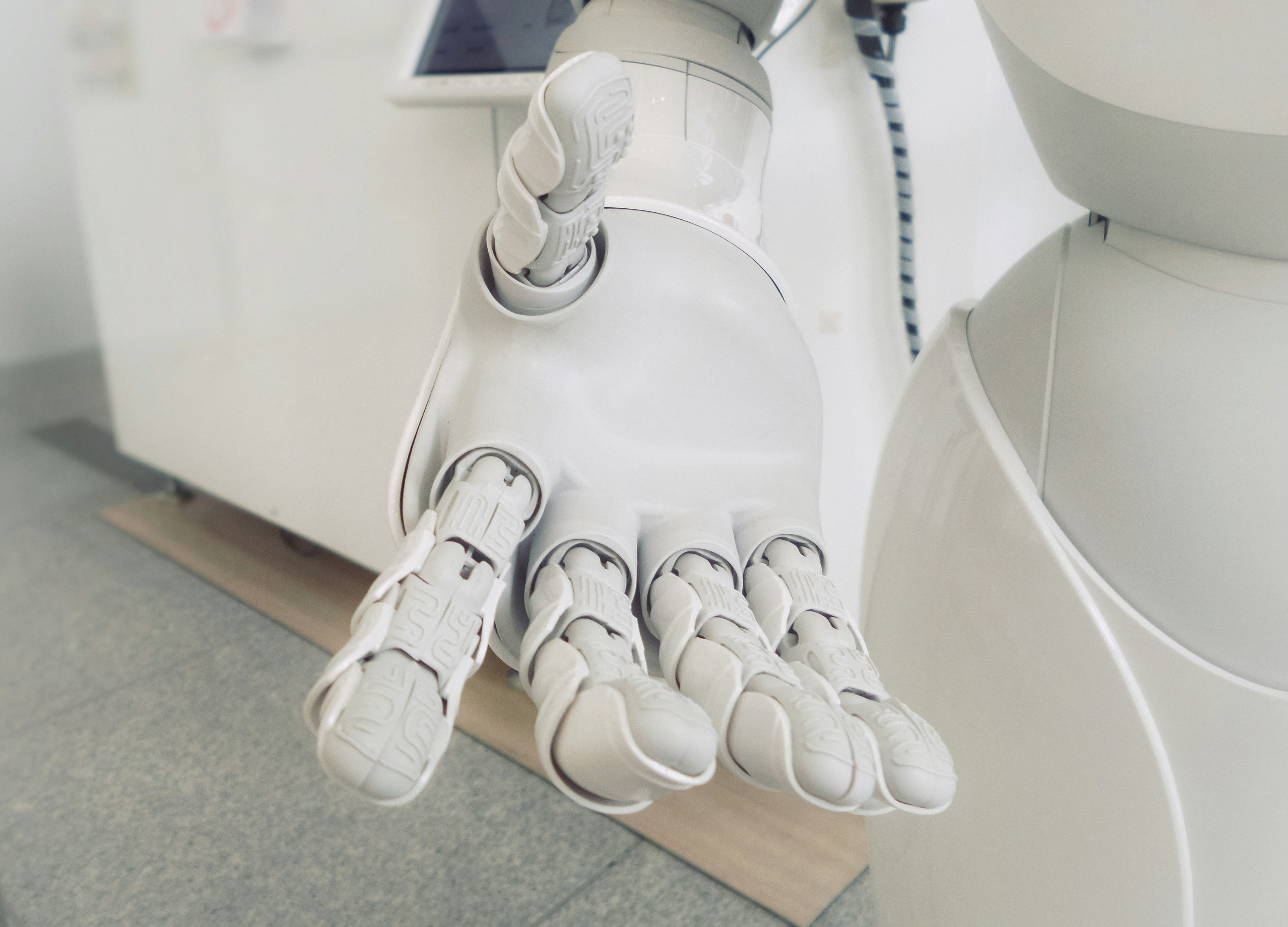
Artificial intelligence is reshaping healthcare in ways that were once considered impossible. For decades, the dream of harnessing intelligent machines to improve medicine seemed like distant science fiction. Today, that dream is quickly becoming reality. Hospitals, clinics, pharmaceutical companies, and even patients at home are already experiencing the transformation. From early detection of disease to personalized treatment plans, AI is moving beyond theory and into practice, revolutionizing how we think about health itself.
Healthcare has always been one of the most complex human endeavors, involving vast amounts of data, intricate biological systems, and deeply personal decisions. The arrival of AI adds a new layer of capability to this complexity. What makes AI so powerful in medicine is not only its speed or accuracy but its ability to learn from data in ways that humans cannot. Every scan, every patient record, every genome sequence becomes part of a growing intelligence that helps doctors see patterns and possibilities previously hidden.
The Promise of AI in Early Diagnosis
One of the most immediate benefits of AI in healthcare is its ability to detect diseases earlier and more accurately. For conditions like cancer, early detection can mean the difference between life and death. Traditional diagnostic methods often rely on human interpretation of scans, biopsies, or symptoms, which can be subjective and prone to error. AI, by contrast, can analyze thousands of images in seconds, spotting subtle abnormalities that the human eye might miss.
In radiology, AI systems are now capable of detecting lung nodules, breast tumors, and brain anomalies with accuracy comparable to, and in some cases exceeding, experienced radiologists. In pathology, AI tools are learning to analyze tissue samples to predict disease progression. Even in cardiology, AI can study electrocardiograms to predict risks of heart failure before symptoms appear.
This does not mean replacing doctors but augmenting them. When AI assists in diagnosis, physicians can make better-informed decisions faster, reducing delays and improving outcomes. Patients benefit from earlier interventions and more precise care. The shift is not about machines taking over but about humans and AI working together to save lives.
Personalized Medicine and Tailored Treatments
The future of healthcare is not one-size-fits-all. Each person’s biology, lifestyle, and environment create a unique profile, which traditional medicine has often struggled to address. AI is unlocking the potential of personalized medicine, where treatments are tailored to individual patients rather than applied broadly.
Machine learning models can analyze a person’s genetic data alongside medical history, lifestyle factors, and even environmental exposures to recommend treatments most likely to work for them. For example, in oncology, AI can suggest targeted therapies based on the genetic mutations driving a patient’s tumor. In mental health, AI-powered platforms can personalize therapy approaches by analyzing speech, behavior, and biometric signals.
The promise of personalized medicine is not only better outcomes but fewer side effects, since treatments are designed with precision rather than generality. It also empowers patients by making them active participants in their care, guided by insights that reflect their unique biological and personal context.
Drug Discovery and Development
The development of new drugs has traditionally been a slow, expensive, and uncertain process. It can take over a decade and billions of dollars to bring a single treatment to market. AI is dramatically accelerating this process by analyzing vast chemical libraries, predicting molecular interactions, and even designing new compounds.
During the COVID-19 pandemic, AI helped identify potential drug candidates and speed up vaccine development. Pharmaceutical companies are now investing heavily in AI to streamline every stage of research, from identifying promising molecules to optimizing clinical trial designs. This acceleration not only saves money but also brings life-saving treatments to patients faster.
The role of AI in drug discovery also raises important ethical considerations, particularly about who has access to these technologies and how breakthroughs are distributed globally. This links closely to themes explored in The Ethics of Artificial Intelligence: Balancing Innovation and Responsibility, where questions of fairness and accessibility become central to how society manages technological progress.
AI in Surgery and Clinical Care
Surgery is another field being transformed by artificial intelligence. Robotic surgical systems already assist doctors in performing minimally invasive procedures with enhanced precision. With AI, these systems are becoming even more intelligent, able to adapt in real time, recognize anatomical variations, and provide surgeons with predictive insights during operations.
AI also plays a critical role in broader clinical care. Intensive care units are deploying AI systems that continuously monitor patients’ vital signs, alerting medical staff to potential complications before they escalate. Emergency departments are experimenting with AI-driven triage systems that prioritize patients based on real-time data, improving efficiency and outcomes.
These applications show that AI is not confined to laboratories but embedded in the most human moments of care. It supports doctors and nurses as they make life-saving decisions, ensuring that patients receive timely and accurate treatment.
Mental Health and Emotional Wellbeing
AI is also making strides in one of the most challenging areas of healthcare: mental health. Chatbots and digital therapy platforms are providing round-the-clock support to people struggling with anxiety, depression, or stress. By analyzing language patterns, voice tone, and even facial expressions, AI systems can detect signs of distress and offer immediate resources or connect patients with professionals.
While AI cannot replace human empathy, it can fill critical gaps in access, especially in regions where mental health services are scarce. For many people, AI-based apps serve as the first step toward seeking help, reducing stigma and offering discreet support. The challenge lies in ensuring these systems are used responsibly, with safeguards for privacy and clear pathways to human intervention when needed.
Data, Privacy, and Trust in Healthcare AI
Healthcare is perhaps the most sensitive domain for data. Every record contains deeply personal information, and the integration of AI raises serious concerns about privacy and trust. Patients must feel confident that their data will not be misused or exposed. Hospitals and companies must balance the need for large datasets to train AI with the ethical obligation to protect patient confidentiality.
This tension between innovation and privacy echoes broader societal debates. In healthcare, the stakes are even higher because breaches of trust can have direct consequences for patient safety. Building systems that prioritize data security, informed consent, and transparency is essential for AI to succeed in medicine. Without trust, no amount of technological capability will matter.
Equity and Global Access
Another ethical dimension of AI in healthcare is equity. Advanced AI systems are often concentrated in wealthier countries and urban centers, leaving poorer regions at risk of being left behind. If AI-driven healthcare becomes the standard, unequal access could widen global health disparities.
The challenge is ensuring that AI benefits are shared equitably. This means designing systems that work in resource-limited settings, investing in global health infrastructure, and creating policies that prioritize inclusivity. The responsibility is not only on governments but also on companies and researchers to ensure that AI in healthcare serves all of humanity, not just the privileged few.
This theme connects back to AI and the Workplace: How Jobs Will Evolve in the Next Decade, where questions of equity and opportunity determine whether AI becomes a tool for empowerment or division. The same logic applies to healthcare: the technology itself is neutral, but how it is deployed will decide whether it narrows or widens inequalities.
Human and Machine Collaboration in Medicine
Perhaps the most profound change AI brings to healthcare is the redefinition of the doctor-patient relationship. Instead of relying solely on human expertise, patients will increasingly be treated by teams that include both human professionals and intelligent systems. Doctors will interpret and guide while AI handles the data-heavy tasks of analysis and prediction.
This collaboration can enhance trust rather than diminish it, provided it is implemented carefully. Patients will need assurance that AI is a partner, not a replacement, and that human judgment remains at the core of care. Healthcare professionals will need training not only in medicine but also in working effectively alongside AI tools.
Far from removing the human element, AI could strengthen it by allowing doctors to focus more on empathy, communication, and holistic care, while machines handle the mechanical burden of data.
The Future of AI in Healthcare
Looking ahead, the role of AI in healthcare will only expand. From wearable devices that continuously monitor health to predictive models that anticipate pandemics, the integration of AI will reshape how societies approach health and wellbeing. Hospitals may become smarter, patients more empowered, and treatments more precise.
But the journey is not without challenges. Ethical questions about privacy, fairness, and accountability must be addressed. Technical issues of interoperability, data quality, and algorithmic transparency must be solved. Social questions about access, trust, and the role of human professionals must be answered.
The transformation is underway, but its direction is still being shaped. What is clear is that AI will be one of the defining forces in healthcare for decades to come.
Conclusion: Toward a More Intelligent and Compassionate System
Artificial intelligence is revolutionizing healthcare from diagnosis to treatment, but the true revolution is not just technological. It is ethical, social, and human. AI offers unprecedented opportunities to improve outcomes, reduce costs, and personalize care, but it also demands responsibility, transparency, and inclusivity.
The healthcare systems that thrive will be those that embrace AI not as a replacement for human care but as a partner in enhancing it. Patients will benefit not only from smarter machines but from doctors and nurses freed to focus on the most human aspects of healing.
As explored in both The Ethics of Artificial Intelligence: Balancing Innovation and Responsibility and AI and the Workplace: How Jobs Will Evolve in the Next Decade, the choices societies make about AI today will determine the world we live in tomorrow. Nowhere is that truer than in healthcare, where every decision can mean the difference between life and death. The future of medicine will not simply be high-tech; it will be a test of our ability to innovate responsibly, equitably, and compassionately.





Leave a Reply