
Artificial intelligence has already transformed industries like finance, healthcare, and transportation, but one of its most profound frontiers lies in education. Learning is one of the oldest and most human of activities, and it has traditionally been shaped by teachers, classrooms, and institutions that organize knowledge. For centuries, the structure of education has remained largely unchanged: groups of students taught together, guided by standardized curricula and assessments. But the rise of AI is challenging these assumptions and opening the door to a future of smarter classrooms and personalized learning.
Education has always faced the tension between scale and individuality. Schools must teach large groups of students efficiently, but each student learns differently, with unique strengths, weaknesses, and rhythms. Artificial intelligence offers a way to bridge this gap. By analyzing data, adapting lessons in real time, and providing targeted feedback, AI can make learning more personalized without sacrificing scale. The promise of AI in education is not simply about efficiency but about equity: ensuring every student receives the support they need to thrive.
From Standardized Learning to Adaptive Systems
Traditional education has long been based on standardized approaches. Teachers follow set lesson plans, and students are assessed through the same exams. While this model allows for consistency, it often leaves behind those who learn at a different pace or in different ways. Artificial intelligence is reshaping this model by enabling adaptive learning systems.
These systems track how students interact with material, identifying areas where they struggle and adjusting the content accordingly. For example, an AI-powered platform might notice that a student repeatedly struggles with fractions in mathematics. Instead of moving on, it offers additional exercises, explanations, or even alternative methods of presenting the concept. For another student who quickly grasps the material, it accelerates progress to more advanced topics.
This adaptability ensures that learning is neither too fast nor too slow but aligned with each learner’s abilities. The goal is mastery rather than mere completion. By creating tailored pathways, AI makes education more personalized, addressing the limitations of traditional standardized systems.
Intelligent Tutoring and Virtual Teachers
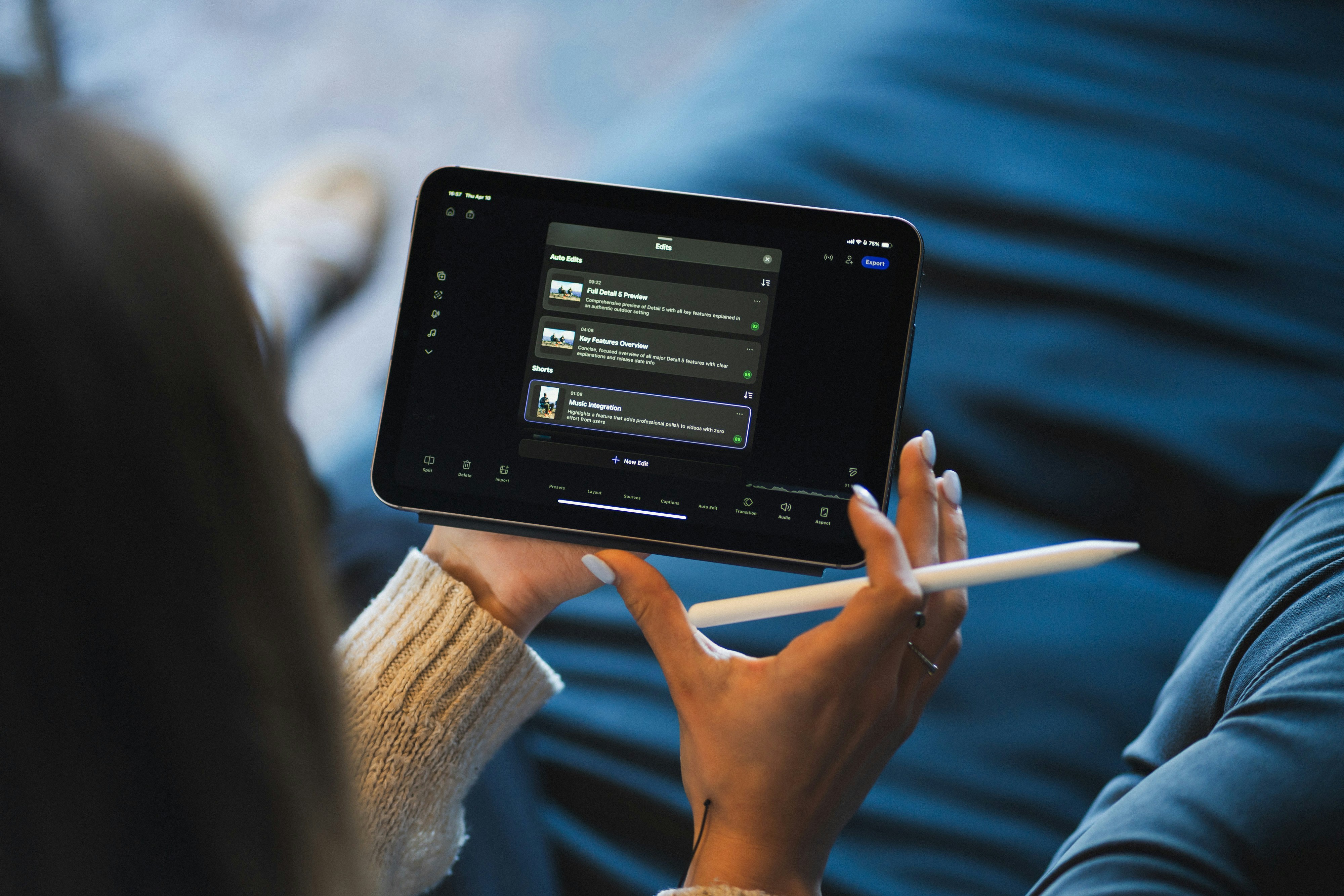
AI is not only personalizing lessons but also making one-to-one support more accessible. Intelligent tutoring systems act like virtual teachers, available anytime a student needs guidance. These tutors can answer questions, explain difficult concepts, and provide encouragement in ways that mimic human interaction.
For example, AI-powered language learning apps already provide real-time pronunciation feedback, conversational practice, and adaptive exercises. Mathematics platforms offer step-by-step problem-solving guidance, while science platforms can simulate experiments virtually. These intelligent tutors give students access to support that might otherwise be unavailable due to teacher shortages or limited resources.
While they cannot replace the empathy, inspiration, and mentorship of human teachers, they can complement them. Teachers can focus on higher-value activities such as motivating students, fostering creativity, and guiding discussions, while AI tutors handle repetitive instruction and practice. This collaboration could redefine the teacher’s role, making education more engaging and efficient.
Data-Driven Insights for Teachers
Teachers often face the challenge of understanding each student’s progress in large classes. Traditional grading systems and observations provide limited visibility into how students learn. AI changes this by analyzing patterns of performance in detail.
AI-powered dashboards can show teachers which students are struggling, what topics need reinforcement, and how different teaching methods impact outcomes. This allows educators to intervene early, offering targeted support where it is most needed. Over time, such insights can even inform curriculum design, ensuring that teaching evolves alongside student needs.
The ethical use of this data, however, is critical. As highlighted in The Ethics of Artificial Intelligence: Balancing Innovation and Responsibility, data-driven decision-making raises questions of privacy, fairness, and accountability. In education, protecting student data is especially sensitive. Schools must ensure that AI systems are transparent, secure, and used to support learning rather than surveillance.
AI in Assessments and Feedback
Exams and assessments are central to education, but they have often been blunt instruments. A single test may fail to capture a student’s true understanding or abilities. AI offers new possibilities for more dynamic and continuous assessment.
By analyzing student interactions in real time, AI can measure comprehension continuously rather than relying solely on end-of-term exams. For example, an AI system might track how a student solves problems, noting hesitation, errors, and strategies. This provides a richer picture of learning than a single score.
Feedback can also be immediate and personalized. Instead of waiting weeks for test results, students can receive instant insights into their performance, with suggestions for improvement. This creates a feedback loop that accelerates learning and makes assessment a tool for growth rather than judgment.
Smarter Classrooms and Connected Learning Environments
Beyond individual learning, AI is transforming classrooms themselves. Smart classrooms use AI to manage everything from attendance to lesson delivery. Interactive whiteboards, voice recognition systems, and AI-powered projectors can adapt content dynamically, making lessons more engaging.
AI can also facilitate collaboration among students. For example, platforms can group students based on complementary skills, encouraging peer-to-peer learning. In global classrooms, AI-driven translation tools allow students from different languages and cultures to collaborate seamlessly.
Connected learning environments extend beyond school walls. With AI, education becomes more fluid, linking formal instruction with online resources, home learning, and extracurricular activities. Students can access AI-driven support anytime, anywhere, turning learning into a continuous, personalized journey.
Accessibility and Inclusion
AI has enormous potential to make education more inclusive. Students with disabilities often face barriers that traditional classrooms struggle to address. AI-powered tools can break down these barriers. Speech recognition helps students with dyslexia or motor impairments write more easily. Text-to-speech tools support those with visual impairments. Adaptive interfaces can adjust content presentation for students with learning difficulties.
This inclusivity extends to language barriers as well. AI-powered translation tools allow immigrant and refugee students to learn in their native language while gradually acquiring new ones. By lowering these barriers, AI has the potential to democratize education, ensuring that no student is excluded from learning opportunities.
Challenges and Risks of AI in Education
While the benefits are clear, the integration of AI in education raises serious challenges. Privacy is a major concern, as vast amounts of student data are collected and analyzed. Without careful safeguards, this data could be misused or create risks of surveillance.
Bias in AI systems is another challenge. If the training data reflects social inequalities, AI tools may reproduce or even amplify them. For example, predictive systems used to recommend educational pathways might unfairly disadvantage certain groups. Transparency and accountability are essential to ensure AI in education supports fairness.
There are also risks of over-reliance. AI is a tool, not a substitute for human judgment. Teachers and schools must be careful not to abdicate responsibility to algorithms. The ultimate purpose of education is not only knowledge transfer but also critical thinking, empathy, and citizenship — qualities that machines cannot provide.
Preparing Students for an AI-Driven Future
AI is not only changing how students learn but also what they need to learn. As automation reshapes the workplace, students must develop skills that complement intelligent systems. Critical thinking, creativity, emotional intelligence, and adaptability will become as important as technical knowledge.
Schools must prepare students for a future where AI is embedded in every aspect of work and life. This includes teaching them about AI itself — how it works, what its limitations are, and how to use it responsibly. Such education ensures that students are not just consumers of AI but active participants in shaping its role in society.
The link between education and the workplace underscores themes explored in How AI is Revolutionizing Healthcare: From Diagnosis to Treatment. Just as AI is changing how doctors diagnose and treat patients, it is changing how schools prepare students for professional life. The future of work and the future of education are deeply intertwined.
The Future of AI in Education
Looking ahead, the role of AI in education will continue to expand. Virtual reality and augmented reality powered by AI will create immersive learning environments. AI-driven simulations will allow students to explore complex scenarios, from historical events to scientific experiments, in ways previously unimaginable.
Global collaboration will become more common, with AI breaking down barriers of language, geography, and access. Education will shift from being a phase of life to a lifelong process, with AI supporting continuous learning throughout careers. The very definition of a classroom may evolve, becoming less about physical space and more about connected, adaptive networks of learners and teachers.
But success will depend on addressing ethical, social, and policy challenges. Ensuring equity, protecting privacy, and supporting teachers must remain central. The future of AI in education is not predetermined; it will be shaped by the choices societies make today.
Conclusion: A Smarter and More Human Education
Artificial intelligence is revolutionizing education, but its true power lies in enhancing rather than replacing human teaching. Smarter classrooms and personalized learning systems can make education more adaptive, inclusive, and effective. Teachers, empowered with AI-driven insights, can focus more on inspiring and mentoring students. Learners, supported by AI tutors and adaptive platforms, can progress at their own pace, gaining confidence and mastery.
As with healthcare and other critical domains, the integration of AI into education is both an opportunity and a responsibility. The technology can reduce inequalities, expand access, and improve outcomes, but only if guided by ethical principles and human values. The lessons from The Ethics of Artificial Intelligence: Balancing Innovation and Responsibility remind us that transparency, fairness, and accountability are essential.
The future of education will not be defined by machines alone but by how people use them to foster curiosity, creativity, and connection. AI will shape smarter classrooms, but it is human teachers and students who will give those classrooms meaning. If guided wisely, AI in education will not only prepare learners for an AI-driven world but also ensure that learning itself remains one of the most deeply human of experiences.



Leave a Reply to The Role of AI in Climate Change and Sustainability – AI Productivity ProCancel reply