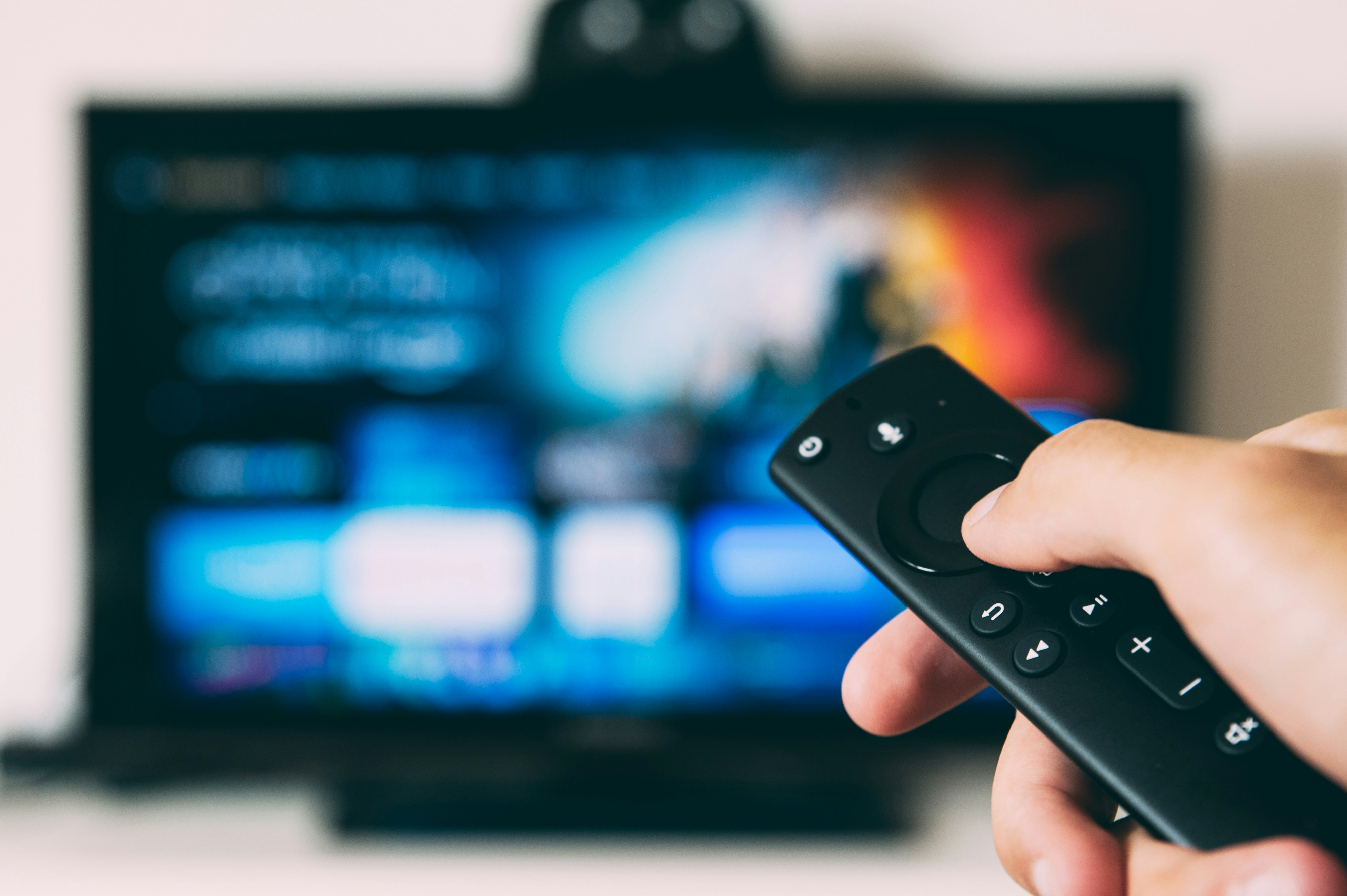
Entertainment has always been shaped by technology. The invention of the camera brought cinema to life. Colour television changed how families gathered around screens. The internet gave rise to streaming, forever altering how we consume media. Now, artificial intelligence (AI) is driving the next revolution — one that is reshaping not just how content is distributed, but how it is created, personalized, and experienced.
AI in entertainment is more than background software running quietly behind the scenes. It is the engine powering Netflix recommendations, the tool musicians use to generate melodies, and the system game developers rely on to create vast virtual worlds. It’s altering Hollywood scripts, video game storylines, and even how we attend live events. Just as AI in Finance: Smarter Banking and Investing has changed how people interact with money, and AI at Home: How Smart Devices Are Getting Smarter is redefining daily life, AI in entertainment is personalizing, automating, and amplifying how we escape, connect, and play.
The rise of AI in movies, television, music, and games reflects a shift from static, one-size-fits-all media toward experiences tailored to the individual. Whether you are binge-watching a new series, losing yourself in a virtual reality game, or humming along to a playlist, AI is working in the background to make that experience smoother, smarter, and often more addictive. Let’s dive into how it is transforming the global entertainment industry.
AI in Movies: From Script to Screen
Movies have always blended art and technology, but AI is accelerating the process in unprecedented ways.
Scriptwriting and Story Development
Hollywood has long relied on focus groups and test audiences to predict whether a script will resonate. AI is now providing a more data-driven alternative. Tools like ScriptBook and LargoAI analyze screenplays, predicting box office performance by examining structure, pacing, character development, and even dialogue. This doesn’t replace human screenwriters, but it gives studios insights into what elements may succeed.
Some experimental AI models go further, generating story outlines or entire scripts. While these machine-written narratives often lack depth, they are valuable for brainstorming. A human writer can take dozens of AI-generated prompts and refine them into a compelling story. For independent filmmakers and creators with limited resources, this support can speed up creative development.
Casting and Actor Selection
AI is also being used in casting decisions. Algorithms analyze past performances, social media influence, and box office results to predict which actors will bring both critical and commercial success. For example, a studio might use AI to assess whether casting a lesser-known actor with a strong online following could outperform a traditional star.
Visual Effects and CGI
Perhaps the most visible contribution of AI in film is in visual effects. De-aging technology, like that used in Marvel films to make actors appear younger, relies heavily on machine learning. Instead of artists manually editing thousands of frames, AI models process facial data and automate much of the work.
AI is also used for “digital doubles,” creating lifelike replicas of actors for stunt work or posthumous performances. This raises ethical debates, but it also reduces costs and expands creative options. Smaller studios benefit as well, since AI tools lower the barrier to producing effects once reserved for blockbusters.
Subtitling and Dubbing
Global distribution is another area AI touches. Automated subtitling and AI-driven dubbing make films accessible across languages more quickly and cheaply. Neural networks analyze voice patterns to generate natural-sounding translations, reducing reliance on traditional manual dubbing.
AI in Television and Streaming
Television, once limited to scheduled programming, has become on-demand and personalized — thanks largely to AI.
Recommendation Engines
Netflix famously invested over $1 billion in its recommendation system, which uses collaborative filtering and deep learning to predict what each user wants to watch next. By analyzing viewing history, pause behavior, and even browsing time, AI creates a personalized homepage that feels custom-built for each subscriber.
YouTube, Disney+, and Hulu all employ similar systems. For consumers, this reduces decision fatigue and makes content discovery seamless. For companies, it means higher engagement and lower churn rates.
Dynamic Advertising
Streaming services increasingly use AI for targeted advertising. Instead of serving the same ad to every viewer, AI identifies audience segments and delivers ads aligned with individual interests. A sports fan might see athletic gear promotions, while a family viewer gets ads for theme parks. This precision benefits both advertisers and viewers by making ads more relevant.
Content Scheduling
AI is even influencing when shows are released. By analyzing audience engagement patterns, platforms decide the best times to drop new series or episodes. Some experiments suggest AI could one day decide which genres to produce based on projected demand, creating a feedback loop between data and content creation.
AI in Music: Composition, Performance, and Discovery
Music has always pushed the boundaries of technology, from synthesizers to digital audio workstations. AI is the latest tool in the mix, helping both professionals and casual creators.
AI-Generated Music
Platforms like AIVA, Amper Music, and Jukebox can compose original pieces in various genres. Advertisers and game developers use these services to create affordable background tracks tailored to mood and tone. Instead of licensing expensive music libraries, creators can generate unique compositions in minutes.
Musicians are also embracing AI as a collaborator. Artists use machine learning plugins to generate chord progressions, suggest harmonies, or remix tracks. Far from replacing creativity, AI functions like a co-producer, expanding the possibilities of sound.
Live Performance Enhancements
AI is making live music interactive. Apps can analyze the mood of the crowd and adjust setlists in real time. Light shows synchronized with AI-driven music analysis create immersive experiences. Even virtual performers like Hatsune Miku are made possible by AI voice synthesis.
Personalized Listening
On the consumer side, streaming platforms like Spotify and Apple Music lean heavily on AI for discovery. Spotify’s “Discover Weekly” playlist is a direct result of deep learning, blending your listening habits with those of users with similar tastes. This personalization keeps audiences engaged and increases loyalty.
AI in Gaming: The Next Level
Gaming is perhaps the most interactive form of entertainment, and AI is deeply woven into its DNA.
Smarter NPCs
Non-playable characters (NPCs) are the lifeblood of game worlds. Traditionally, they followed scripted patterns, but modern AI allows them to react dynamically. NPCs in games like The Elder Scrolls or Red Dead Redemption 2 respond to player actions in more lifelike ways, creating immersion.
Procedural Generation
AI-driven procedural generation creates vast, unpredictable worlds. Minecraft and No Man’s Sky demonstrate how AI can generate infinite landscapes and missions, keeping gameplay fresh. Instead of designers manually building every element, AI algorithms build them on the fly.
Adaptive Difficulty
AI can adjust game difficulty in real time. If a player is struggling, enemies may become less aggressive. If a player is breezing through, challenges intensify. This creates a more balanced experience and keeps players engaged longer.
Esports and Player Training
Esports teams use AI to analyze strategies and opponent behavior, gaining competitive advantages. AI-powered bots also help players practice, offering realistic opponents at different skill levels.
AI Beyond Screens: Sports, Events, and Experiences
Entertainment is not limited to movies, TV, and games. AI is reshaping live events, sports, and even theme parks.
Sports Broadcasting
AI analyzes sports footage to generate instant highlights, captions, and stats overlays. Broadcasters use machine learning to predict which moments audiences will find most exciting, tailoring highlight reels for different demographics.
Theme Parks
Disney and Universal are experimenting with AI-powered attractions that respond to individual visitors. Imagine a ride that changes based on your past interactions or facial expressions.
Virtual and Augmented Reality
AI is the backbone of VR and AR, creating responsive environments that adapt to user input. In VR concerts, AI adjusts the experience based on where you look or how you move, making each session unique.
Ethical Considerations in AI Entertainment
As AI reshapes entertainment, important ethical issues arise.
Authenticity: If a song or film is generated by AI, is it still art? How do we credit human versus machine contributions?
Bias: Recommendation systems can reinforce echo chambers, promoting the same type of content repeatedly and limiting diversity.
Manipulation: Hyper-personalized marketing could blur the line between entertainment and persuasion, influencing behavior in subtle ways.
Copyright and Consent: AI recreating an actor’s likeness or voice without permission raises questions of ownership and control. The recent Hollywood strikes highlighted concerns over AI replacing creative labor.
Addressing these challenges will be crucial to ensuring AI enhances rather than undermines human creativity.
The Future of AI in Entertainment
Looking ahead, AI’s role in entertainment will expand even further. Personalized films could adapt plots in real time to fit each viewer’s preferences. Games may evolve into endless adaptive worlds that sense your emotions and adjust accordingly. Musicians might co-create entire albums with AI partners, while VR and AR transform concerts and theaters into fully immersive experiences.
At the same time, human creativity will remain essential. Audiences crave authentic stories, emotional depth, and human connection — qualities that machines cannot replicate. The most powerful future lies in collaboration: humans using AI as a creative partner rather than a replacement.
Conclusion
Artificial intelligence is transforming entertainment at every level. It powers the recommendations that keep us glued to streaming services, assists writers and filmmakers in crafting stories, composes music, makes video games more dynamic, and personalizes how we engage with live events.
Just as AI has redefined finance and home living, it is now redefining how we relax, laugh, and play. The opportunities are enormous, but so are the responsibilities. Ensuring fairness, authenticity, and respect for creators will be essential as AI’s role grows.
The entertainment industry has always evolved with technology, but AI marks a particularly profound shift. We are entering an era where stories, songs, and games are no longer mass-produced but individually tailored — where entertainment feels less like a broadcast and more like a conversation. With AI as a partner, the future promises experiences that are smarter, richer, and more human-centered than ever before.




Leave a Reply