
Artificial intelligence is reshaping the world of work faster than any technology in living memory. The last industrial revolutions transformed industries over generations, but AI is altering roles, workflows, and entire economies in real time. As businesses adopt intelligent systems for everything from customer service to strategic decision-making, workers across all sectors are asking the same question: what will jobs look like in the next decade?
The answer is both exciting and unsettling. AI is not simply a tool of efficiency; it is an engine of reinvention. The next ten years will bring more profound shifts in how people work, collaborate, and build careers than the last fifty years combined.
From Automation to Collaboration
In the early conversations about AI and employment, the focus was almost entirely on automation. Stories about robots replacing workers in factories and algorithms threatening white-collar roles dominated the headlines. While automation remains a central force, the reality unfolding is more nuanced.
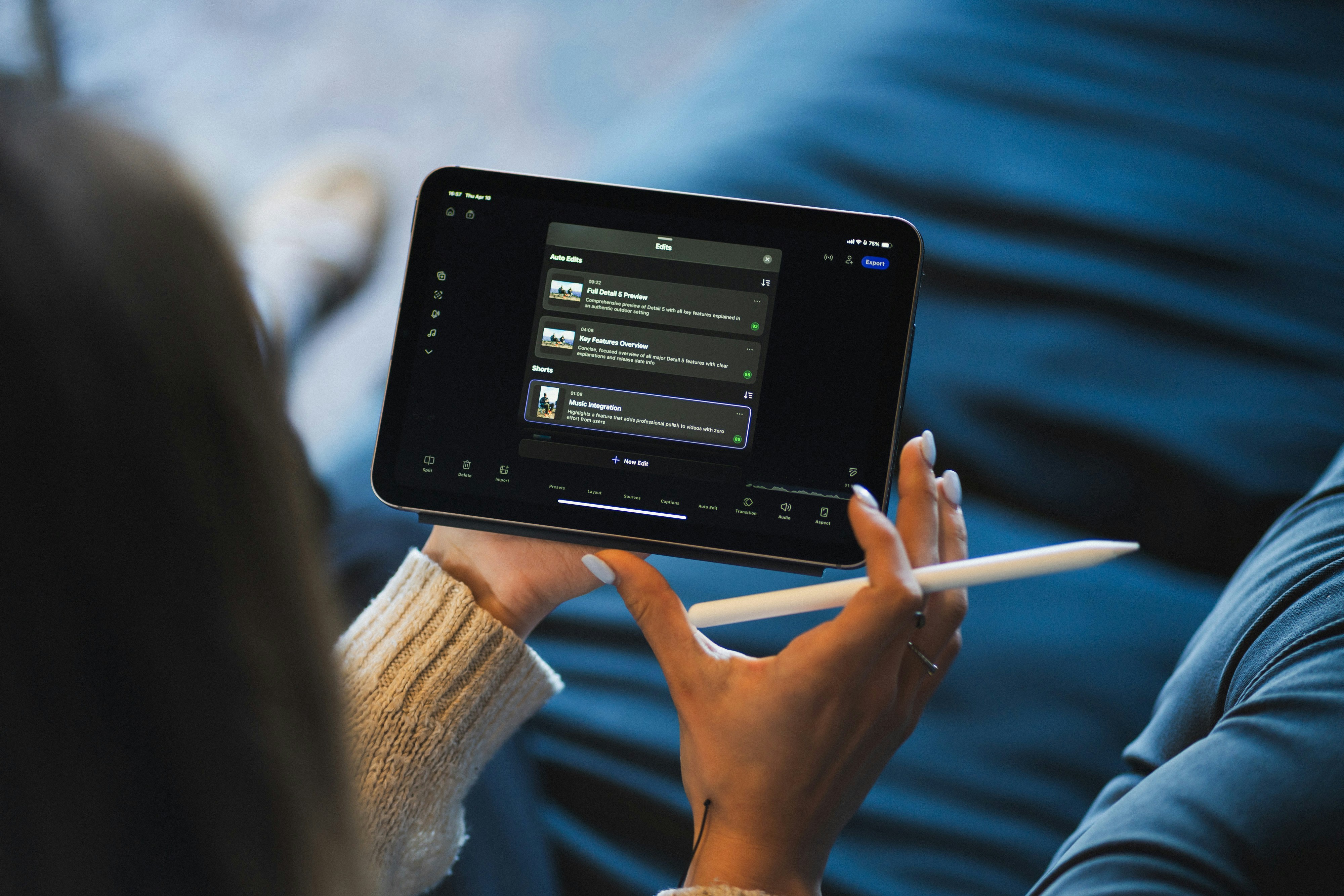
AI is increasingly acting as a collaborator rather than a replacement. Instead of simply removing tasks, it is reshaping them. A financial analyst, for example, may no longer spend hours compiling spreadsheets. Instead, an AI platform provides real-time insights, allowing the analyst to focus on interpreting trends and advising clients. A designer might not start from a blank canvas but instead work with AI-generated drafts, refining them into polished final products.
The future of the workplace is not a battle between humans and machines but a partnership where each side amplifies the other’s strengths.
The Rise of New Professions
As some tasks fade, entirely new professions are emerging. Just as the digital revolution created careers in web development, cybersecurity, and social media management, the AI revolution is spawning roles no one could have imagined a decade ago.
AI ethicists are being hired to ensure that algorithms make fair and transparent decisions. AI trainers are needed to feed systems with quality data and correct biases. Specialists in explainability are bridging the gap between technical teams and stakeholders who need to trust the decisions AI makes.
Beyond these direct roles, entire industries will sprout around AI infrastructure, regulation, and human-AI interaction. For workers willing to adapt, the coming decade may be less about job loss and more about job transformation.
Reskilling as a Lifelong Necessity
In the past, education was often front-loaded. People studied, graduated, and entered a relatively stable career. That model is breaking down in an AI-driven economy. Skills have shorter lifespans, and the ability to learn continuously is becoming a core requirement of professional life.
Employers are already investing in reskilling programs, while platforms offering AI-powered personalized learning are making it easier for individuals to adapt. The most successful workers will be those who embrace agility — learning not just technical skills but also enhancing human strengths like creativity, critical thinking, and empathy, which are far harder for machines to replicate.
This emphasis on lifelong learning echoes themes explored in The Future of Artificial Intelligence in Everyday Life, where adaptability emerges as the defining skill for thriving in an AI-integrated society.
AI and the Human Touch
A common fear is that AI will strip work of its humanity, reducing everything to data and algorithms. But many industries are discovering the opposite. As AI takes over repetitive or routine tasks, human workers have more bandwidth to focus on the relational and creative aspects of their jobs.
Healthcare provides a vivid example. AI can analyze scans or predict disease risk faster than a doctor, but it cannot offer compassion to a patient or weigh the emotional context of a diagnosis. Teachers may use AI tools to personalize lesson plans, but the inspiration they give to students comes from human connection. In customer service, AI can resolve basic inquiries, freeing human representatives to focus on complex, empathy-driven interactions.
Far from erasing humanity from the workplace, AI may push it to the forefront.
The Future of Remote and Hybrid Work
The pandemic accelerated the adoption of remote work, and AI is set to refine it further. Intelligent collaboration tools will soon handle much more than video calls and chat logs. Meetings may be automatically summarized with action points, project management systems will predict bottlenecks before they arise, and cross-cultural teams will communicate seamlessly through real-time translation.
AI will also personalize work environments. For example, digital assistants could adjust notifications based on focus levels, while predictive scheduling ensures that workers operate during their most productive hours. This evolution ties closely with concepts explored in Using AI to Build Topic Clusters, where AI’s role in organizing complex information becomes a metaphor for how it will also organize and streamline workflows in professional life.
The physical office will not disappear, but its function will shift. It may become a hub for creativity, strategy, and collaboration, while individual tasks take place in AI-enhanced digital environments.
Productivity and the Reimagining of Workflows
The most immediate impact of AI in the workplace will be on productivity. Already, AI can draft documents, analyze contracts, screen resumes, and flag compliance risks. In the coming decade, workflows will become increasingly AI-native, meaning they are designed from the ground up with AI as a central component rather than a plug-in addition.
For workers, this means fewer hours spent on repetitive tasks and more time spent on high-value contributions. However, it also means adapting to new systems, rethinking job descriptions, and collaborating with algorithms that evolve continuously. Work will feel faster, more dynamic, and at times more demanding, as the pace of decision-making accelerates.
Ethical Dimensions of AI in the Workplace
No discussion of AI and jobs is complete without acknowledging the ethical challenges. Employers face decisions about surveillance, fairness in hiring algorithms, and the treatment of workers displaced by automation. Employees wonder how much of their behavior is being monitored and whether AI-driven evaluations are transparent and unbiased.
The next decade will likely bring stronger regulation to ensure responsible use of AI in employment. Companies that lead with transparency and fairness will not only avoid reputational risk but also attract workers who value trust. The ethics of workplace AI will be a competitive differentiator, not just a compliance requirement.
Global Shifts in the Labor Market
The impact of AI on jobs will not be evenly distributed. Advanced economies may see greater opportunities for high-skill workers, while developing regions could face displacement in industries reliant on repetitive labor. At the same time, AI has the potential to bridge gaps by enabling remote global collaboration and lowering barriers to entry for small businesses.
Policymakers, educators, and businesses will need to collaborate to ensure that AI-driven prosperity is inclusive. The decisions made in the next decade will determine whether AI deepens inequality or becomes a tool for global empowerment.
Creativity, Strategy, and the Human Edge
As AI grows more capable, the unique strengths of human workers will matter more than ever. Creativity, ethical reasoning, emotional intelligence, and cultural awareness will become the pillars of professional value. Jobs that thrive will be those that blend technical collaboration with AI and human capacities that machines cannot mimic.
Rather than diminishing workers, AI may push society to rediscover what makes work meaningful. The decade ahead could see a renaissance in professions that emphasize storytelling, leadership, mentorship, and design thinking.
Conclusion: A Decade of Reinvention
The workplace of the next decade will not look like the workplaces of today. AI is not simply a disruptive force; it is a transformative one. Jobs will evolve, new careers will emerge, and the skills that matter most will shift toward adaptability, creativity, and collaboration.
For workers, this is both a challenge and an invitation. The challenge lies in navigating rapid change, reskilling continuously, and staying relevant in industries that will not stand still. The invitation lies in the chance to reimagine work as something more human, more creative, and more fulfilling.
Artificial intelligence is here to stay, but its impact on jobs is not predetermined. The future will be shaped by how society chooses to integrate it, regulate it, and collaborate with it. If guided wisely, the next decade could usher in not the end of work, but the beginning of a new chapter where humans and intelligent systems thrive together.
Related Reading
Explore how AI is already shaping our personal lives in The Future of Artificial Intelligence in Everyday Life, or dive into the strategic side of AI in Using AI to Build Topic Clusters. Together, these insights connect the dots between how AI transforms daily experiences, workplace structures, and broader strategies for growth.



Leave a Reply